Discover the Various Types of Screen Printing Techniques for Your Following Project
Screen printing offers a varied variety of methods that can enhance any kind of imaginative job. From conventional methods like serigraphy to modern-day innovations such as direct-to-garment printing, each strategy has its special advantages. Specialty alternatives, consisting of metallic and environmentally friendly inks, introduce much more possibilities. Recognizing these methods can substantially affect the final end result. The obstacle lies in picking the most ideal method for certain needs and wanted impacts. What elements should one consider?

The Basics of Screen Printing
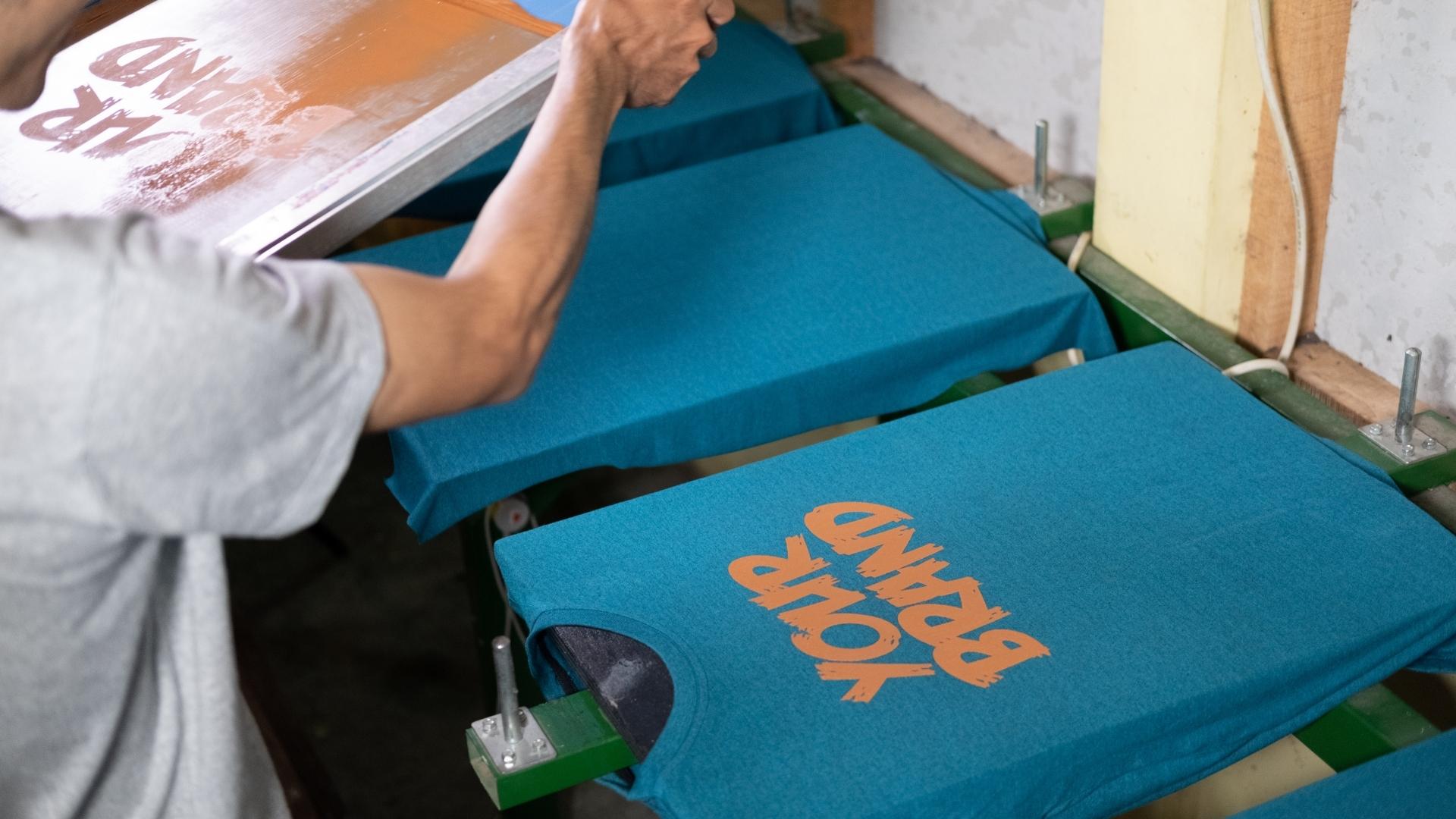
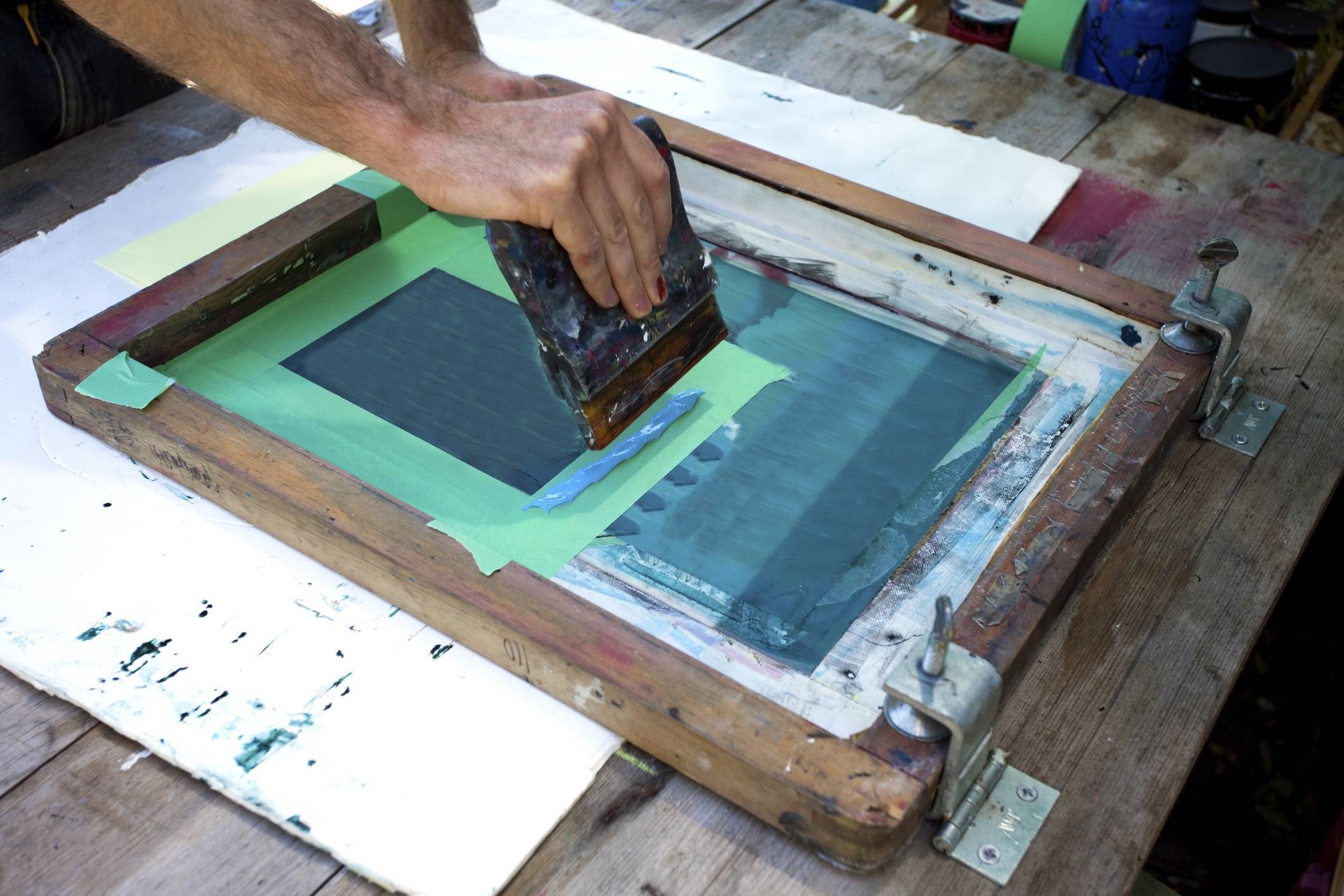
Although screen printing may appear complex, it is fundamentally a simple procedure that entails transferring ink through a mesh screen onto various surfaces. The method starts with the development of a pattern, which specifies the style to be printed. This stencil is attached to a mesh screen, normally constructed from polyester or nylon. As soon as the pattern remains in location, ink is put on the screen and pushed through the mesh using a squeegee, resulting in the desired pattern being published on the underlying product.
Screen printing can be executed on a vast array of substratums, consisting of plastic, paper, and textile, making it a functional option for different jobs. The process enables for lively colors and elaborate styles, making it popular in industries such as art, style, and advertising. Comprehending these fundamentals equips people with the foundational knowledge needed to explore more innovative methods in screen printing.
Standard Screen Printing Techniques
Typical screen printing strategies have actually been employed for centuries, maintaining the workmanship and virtuosity of this approach. This strategy makes use of a mesh screen to transfer ink onto a substratum, such as material or paper, permitting long-lasting and vivid styles. The procedure begins with producing a pattern, which blocks specific areas of the screen to control where the ink will certainly be used.
One popular technique is serigraphy, usually used for minimal versions and creative prints. One more is making use of water-based inks, which are environmentally friendly and give a soft feeling on fabrics - 10:9 Design Embroidery. Additionally, conventional approaches can include manual printing, where craftsmens apply ink with a squeegee, making certain precision and focus to detail
These strategies remain valued in the market for their tactile high quality and the special textures they create, appealing to both makers and consumers that appreciate the heritage of screen printing.
Digital Screen Printing Innovations
As the demand for faster manufacturing and customization in the printing market has risen, electronic screen printing advancements have become a game-changer. This innovation mixes typical screen printing methods with electronic processes, permitting for rapid prototyping and detailed designs that were previously difficult to attain. One considerable advancement is the introduction of direct-to-garment (DTG) printing, which promotes premium, full-color prints on various fabrics without the requirement for displays. Additionally, advancements in ink formulas have actually resulted in eco-friendly options that keep vibrant colors while decreasing environmental effect. Making use of automated systems even more simplifies production, decreasing labor costs and improving accuracy. These developments not only provide to tiny set orders and customized styles yet additionally permit quicker turn-around times, making them excellent for services concentrated on conference consumer needs in a fast-paced market. Digital screen printing, consequently, represents a crucial advancement in the domain of printing techniques.
Specialty Screen Printing Methods
Checking out specialty screen printing methods reveals a diverse variety of strategies that press the borders of creative thinking and functionality in the printing industry. Among these, glow-in-the-dark inks supply a special aesthetic result, making layouts come active in low-light problems. Metal inks, recognized for their glittering surface, include a touch of deluxe to published products. An additional cutting-edge method is discharge printing, which eliminates color from the fabric instead of including ink, leading to a soft, classic feel. High-density printing develops a raised structure externally, improving responsive interaction. In addition, water-based inks are getting popularity for their dynamic colors and decreased environmental influence. Each of these specialty techniques accommodates details layout requirements, enabling brand names and artists to create standout items that resonate with their target markets. By leveraging these approaches, organizations can raise their screen printing projects to brand-new heights, making sure memorable perceptions.
Eco-Friendly Screen Printing Options
Eco-friendly screen printing alternatives are obtaining traction as the industry moves towards sustainability. Lasting ink choices and using biodegradable products are essential parts in decreasing the ecological impact of the printing procedure. By adopting these methods, screen printers can contribute to a much more lasting future while preserving top quality outcomes.
Sustainable Ink Options
Biodegradable Materials Use
As the screen check here printing market advances, the incorporation of eco-friendly products is ending up being progressively vital for eco mindful methods. Makers and designers are now discovering inks and substratums made from natural, renewable energies that decay extra effectively than standard counterparts. These eco-friendly alternatives lower plastic waste and decrease ecological impact, straightening with the growing demand for sustainable items.
Usual instances include water-based inks and organic cotton fabrics, both of which minimize dangerous chemicals and advertise eco-friendliness. Brands that take on these products typically enhance their market appeal, attracting customers who prioritize sustainability. As recognition of environmental problems proceeds to increase, the change in the direction of eco-friendly materials in screen printing is most likely to obtain energy, fostering a greener industry standard.
Selecting the Right Method for Your Job
How can one establish the most ideal screen printing method for a particular project? The choice depends upon a number of elements, consisting of the product to be printed on, the intricacy of the design, and the preferred production volume - 10:9 Design Screen Printing Texas. For circumstances, direct-to-garment printing is perfect for complex designs with numerous shades, while typical screen printing succeeds for larger runs of easier graphics
Furthermore, consideration of the end-use of the published product is crucial. For exterior applications, strategies that offer longevity and weather resistance, such as plastisol ink, may be liked. Alternatively, environmentally-conscious projects might profit from water-based inks or naturally degradable products.
Ultimately, comprehending the task's unique requirements allows for an informed option, making certain both visual allure and useful long life. By reviewing layout complexity, product compatibility, and manufacturing range, one can properly pick one of the most suitable screen printing method to satisfy their project's goals.
Frequently Asked Questions
What Is the History of Screen Printing?
Screen printing came from ancient China around 1000 AD, evolving via Japan and Europe. By the 20th century, it came to be prominent in industrial art and fashion, revolutionizing how layouts were produced and dispersed globally.
Exactly how Do I Prepare Artwork for Screen Printing?
To prepare artwork for screen printing, one need to ensure high resolution, make use of an ideal color setting, produce different layers for each shade, and transform message to details, ensuring compatibility with the printing procedure and wanted outcome.
What Materials Are Best for Screen Printing?
The best materials for screen printing consist of high-quality inks, long lasting displays, and appropriate substrates like cotton, polyester, or blends. Additionally, using appropriate solution and mops can boost the printing process and final results.
Can I Evaluate Publish in the house?
Yes, screen printing in the house is feasible. With the best materials, setup, and strategies, people can develop high-grade prints. Careful consideration of work area and equipment is vital for successful results.
What Are Typical Errors in Screen Printing?
Typical errors in screen printing include improper direct exposure times, poor ink uniformity, imbalance of displays, inadequate cleaning of materials, and overlooking to examine prints. These mistakes can endanger the top quality and accuracy of the final product.
Screen printing might seem complex, it is fundamentally an uncomplicated procedure that includes transferring ink through a mesh screen onto different surface areas. As the need for faster production and customization in the printing industry has risen, electronic screen printing advancements have arised as a game-changer. Discovering specialized screen printing techniques reveals a varied range of techniques that press the boundaries of creativity and capability in the printing market. The best products for screen printing include high-quality inks, sturdy displays, and appropriate substratums like cotton, polyester, or blends (10:9 Design LLC Company). Usual blunders in screen printing include improper direct exposure times, insufficient ink uniformity, misalignment of screens, not enough cleaning of products, and disregarding to evaluate prints